Counseling for Couples
We use Emotionally Focused Couple’s Therapy (“EFCT") to help couples reduce conflict, build connection and solve relationship problems.


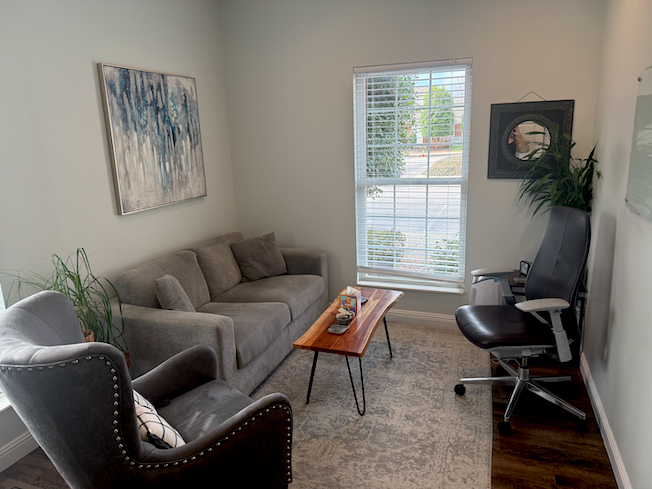

We use Emotionally Focused Couple’s Therapy (“EFCT") to help couples reduce conflict, build connection and solve relationship problems.
-Lao Tzu.
At HopeTree, we see our client as your relationship. Therefore, we don’t take sides. We assume you are in our office because there are two sides to a story and you both want the relationship to work…and that means you both feel connected when treatment is complete. So while it’s common that one partner is initiating the process, we support the goals of both partners.
We use Emotionally Focused Couples Therapy (“EFCT”) to help our couples clients. There are so many possible entry points to begin the process of healing. So many that it be chaotic and unproductive without a plan or approach. EFCT provides both. The plan consists of three stages: Stage 1 addresses reactivity, Stage 2 addresses closeness and Stage 3 harnesses the first two stages to then address old topics from a new vantage point (without the reactivity and with the closeness) often resulting in creating solutions. Research shows a low recitivisim rate with the EFCT approach.
(615) 538-0636
3326 Aspen Grove Dr.
Suite 275
Franklin, TN 37067
© 2026 HopeTree Counseling, LLC
My Partner Won’t Attend

Sometimes partners are hesitant to come to counseling because they fear it will be about blaming them, that counseling is just talking and therefore not worth the money, or that the unhappiness in the relationship is an individual's problem and therefore only the partner with the complaint needs the counseling. It is helpful to clarify what counseling is and how it can help. Even reluctant partners will acknowledge the relationship isn't all it could be and that they aren't happy with how things have turned out. Not only that, both partners deserve representation in the counseling sessions. If one partner doesn’t attend, their side won’t be shared with the therapist.
HopeTree therapists approach counseling from a systemic perspective. That means that when they do couple's counseling, they view the client as the couple's relationship. They are not looking for which individual is to blame. They are looking for patterns in the relationship that prevent closeness and connection. Therefore, the conversations have direction and purpose. They direct a process where the three of you, together, figure out what has happened to prevent the closeness, how to heal from past hurts and how to create a relationship you both want. It is a very collaborative process.
If your partner is hesitant to come to counseling, it’s important you are very direct with them about how serious you view your relationship problems, especially if you have been considering breaking up, separation or divorce. Don’t wait until bitterness and resentment destroy all desire you have to work on the relationship. If your partner has concerns or questions about the therapist or counseling process, they are encouraged to call HopeTree directly. Our therapists are more than happy to speak with prospective clients and answer any of their questions.
